· Lee Baker · Diet & Supplementation · 9 min read
Are Supplements Necessary?
Are supplements truly essential for well-being or is diet alone sufficient?
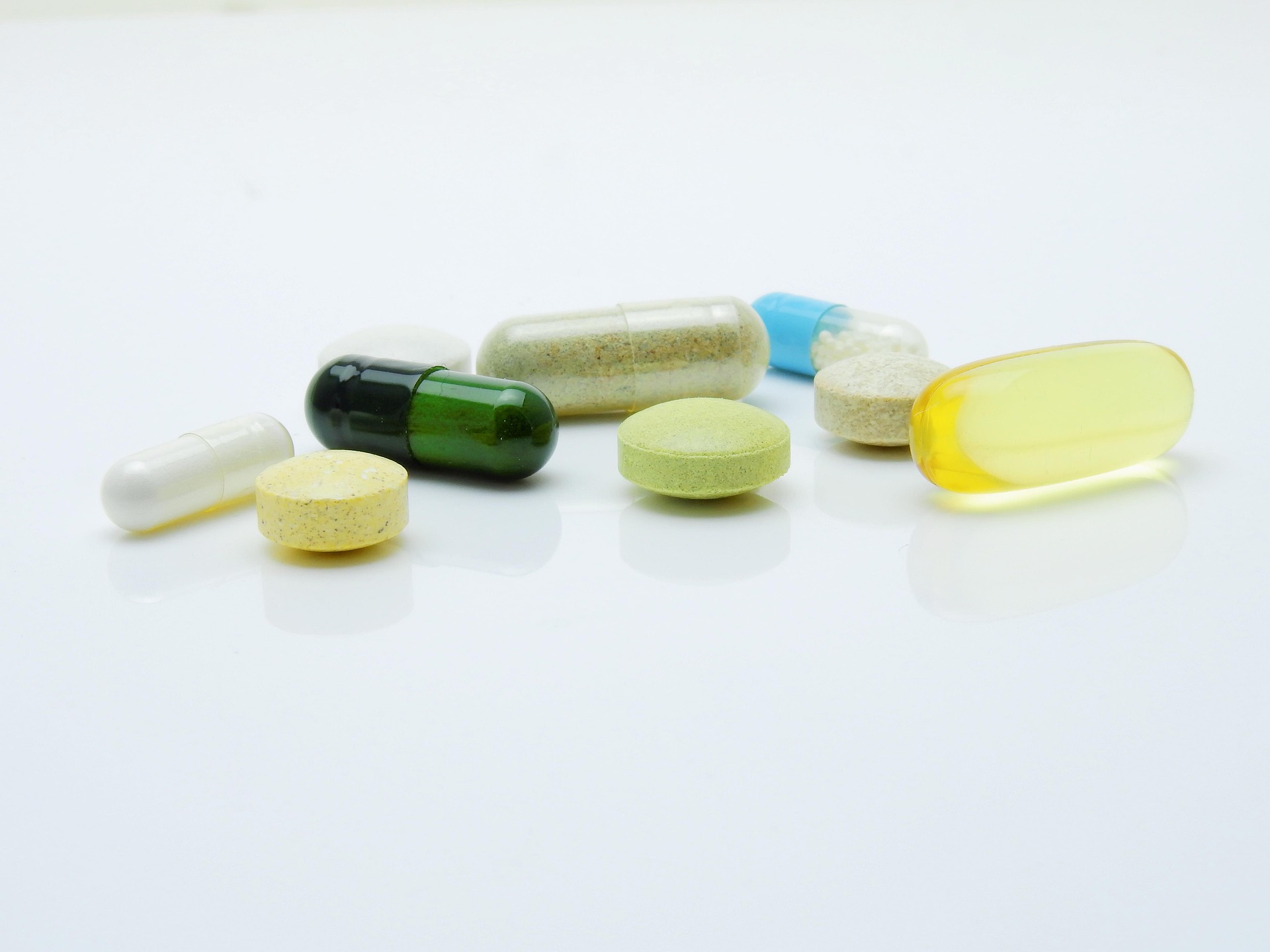
Walk into any grocery or drugstore and you’re met with an overwhelming wall of supplements, each one promising to help you sleep better, think more clearly, digest more smoothly, or feel more energetic. It’s no surprise the industry is thriving, earning over $50 billion a year in the U.S. alone1. And as a health and wellness coach, the question I hear most often is a simple one: do I really need supplements?
The short answer? It depends.
The Official Stance
No major health organization, including the USDA, FDA, and National Institutes of Health (NIH), recommends that the average, generally healthy American take specific supplements daily. Instead, the USDA’s Dietary Guidelines for Americans emphasize a food-first approach: nutritional needs should be met primarily through a varied, balanced diet rich in whole foods. That means vegetables, fruits, whole grains, lean proteins, and healthy fats, which together provide vitamins and minerals along with fiber, antioxidants, and thousands of bioactive compounds that work in concert in the body.
Supplements, by definition, are meant to supplement a diet rather than replace it. The FDA classifies them as a category of food, not as drugs, so they don’t go through the same rigorous safety and efficacy testing as pharmaceuticals. That regulatory gap has produced a marketplace where products vary widely in quality and claims, and where a little consumer education goes a long way.
So while some people may benefit from supplementation in specific situations, like addressing a diagnosed deficiency or a medically indicated need, broad, population-wide supplementation isn’t something the official agencies advise. Over-supplementing carries its own risks, too: fat-soluble vitamins like A, D, E, and K can build up to the point of toxicity, which is one more reason professional guidance matters.
The Hype vs. The Data
It’s easy to see the appeal. Supplements promise fast results, convenience, and a sense of control, a tidy answer to the noise of modern life. But while the aisle suggests there’s a pill for every ailment, the science tells a quieter, more careful story.
A large body of independent research, including studies published in JAMA, Annals of Internal Medicine, and The New England Journal of Medicine, has found that most supplements offer limited benefit for the general population, especially when they’re used for disease prevention. Multivitamins are a good example. They’re among the most commonly used supplements, and yet they haven’t consistently shown a meaningful effect on chronic disease risk, longevity, or cognitive function in healthy people2.
Dr. Pieter Cohen, a physician and researcher at Harvard Medical School, has spent years examining this industry. He cautions that many marketed supplements aren’t backed by reliable evidence, and that the rules are loose enough to let products with questionable ingredients, misleading claims, or even undeclared substances reach the shelf.
None of this means supplements are useless. It means we have to be discerning, especially when marketing outpaces research. Some supplements do have a strong evidence base, and even then the details matter: dose, form, timing, your individual health status, and the presence of other nutrients all shape whether something actually works.
Not every supplement is snake oil, and not every one is sound science either. The point isn’t to dismiss them. It’s to meet them with honest inquiry, real data, and an understanding of what your own body is asking for.

A Functional Nutrition Perspective
From a functional nutrition view, supplements are neither good nor bad on their own. They’re tools, and like any tool, how useful they are depends on the job and the person holding it. So rather than asking, “Should I take supplements?”, functional nutrition points you toward a better question: what is my body actually asking for, and why?
This way of thinking is rooted in salutogenesis, a model of health concerned with what creates wellness rather than only what causes illness3. Instead of chasing symptoms or reacting to disease, it looks for ways to build resilience and steady vitality from the inside out.
That’s why the emphasis falls on root cause over symptom management. Rather than reaching for a supplement to fix low energy or poor sleep, we look underneath. Is blood sugar dysregulated? Is the nervous system overstimulated? Is digestion struggling? Many of the symptoms we try to “fix” with isolated nutrients are really signals: clues pointing to a deeper imbalance or an unmet need.
Food stays the cornerstone. Whole foods are far more than a delivery system for vitamins. They offer a whole matrix of nutrients, enzymes, cofactors, and phytonutrients that work together to support the body. Spinach is a good example: it gives you iron, and along with it the vitamin C that helps you absorb that iron, fiber for the gut, and a host of polyphenols with antioxidant properties. Those synergies are hard, maybe impossible, to reproduce in a pill.
That said, modern life complicates the math. Chronic stress, environmental toxins, poor sleep, hard training, pharmaceuticals, and depleted soil all raise our nutrient demands. Add in the ways bodies differ, in absorption, in food intolerances, in the genetics of metabolism, and it becomes clear that some people really may need targeted support.
This is where supplements, guided by data and personal context, earn their place. Someone under sustained stress and broken sleep might find real relief in magnesium glycinate or L-theanine. Ideally, though, that comes from careful observation and testing rather than a quick symptom-to-supplement match.
In functional nutrition, supplements aren’t shortcuts or cure-alls. They’re bridges: supportive tools you lean on while you rebuild the deeper foundations of health, which are nutrition, sleep, movement, mindset, and connection. The aim is less about removing discomfort than about building real capacity for well-being that lasts.
What Might Be Worth Supplementing?
A handful of supplements come up again and again, in the research and in real life, often because of how we live now:
- Vitamin D3: A lot of people fall short, especially those at northern latitudes or anyone who spends most of the day indoors. D3 supports bone health, immune function, and mood4.
- Fish Oil (Omega-3s): The EPA and DHA in omega-3s matter for the brain and for keeping inflammation in check. If fatty fish isn’t a regular part of your meals, this one may help5.
- Magnesium: Stress, processed food, and poor soil quality all deplete it. Magnesium supports sleep, muscle function, mood, and a long list of other cellular work6.
- Probiotics: After a course of antibiotics, or alongside ongoing digestive trouble, certain strains may help rebalance the gut microbiome7.
- B12: This one matters especially for vegans and vegetarians, since it shows up mostly in animal products8.
Note: this isn’t a recommendation to take any of these. It’s a prompt for a real conversation with a qualified professional.

Performance Enhancement: A Specialized Subset
One category deserves its own conversation: performance enhancement, whether physical, cognitive, or metabolic. From athletes to entrepreneurs, plenty of people are after an extra edge. But performance supplements behave differently from foundational ones. They sit on a fine line between support and overstimulation.
This is the territory of creatine, beta-alanine, nootropics, adaptogens, and branched-chain amino acids (BCAAs), usually marketed for more stamina, faster recovery, sharper focus, or a steadier stress response under pressure.
The evidence is stronger in some corners than others. Creatine monohydrate is one of the most studied and most effective supplements going, good for high-intensity output and muscle recovery, with few side effects when it’s used well. L-theanine paired with caffeine has likewise been shown to sharpen alertness and focus without the jitter caffeine brings on its own.
This is also a corner full of hype and biohacking trends that tend to run well ahead of the peer-reviewed evidence. The nootropics market in particular is crowded with blends that lack transparency, lean on weak or anecdotal studies, or carry unknown long-term safety profiles.
If you’re considering performance supplementation, a few questions are worth sitting with:
- What is the actual goal? (endurance, concentration, recovery)
- Is the supplement evidence-based for that specific outcome?
- Do I have a real physiological need for this kind of support?
- Have I taken care of the basics first: sleep, hydration, nutrient-dense food, stress regulation?
Context decides a lot here. A weekend athlete doesn’t need what a marathoner needs. A student before exams might think about cognitive support very differently than a CEO facing chronic burnout.
And the performance world runs straight into ethical and regulatory questions, especially in competitive sport or professional settings. Some substances are banned by athletic commissions, and some can interact with medications in ways that are hard to predict.
Data First, Then Decisions
Before you add anything, gather some data. Testing gives you a personalized map of what your body is actually working with. A few that tend to be useful:
- 25(OH) Vitamin D blood test
- Comprehensive Metabolic Panel (CMP)
- Omega-3 Index
- Micronutrient Panel (e.g., SpectraCell or Genova)
- B12 and Folate serum levels
- Comprehensive stool analysis, for gut health
You can often run these through your primary care provider or a functional medicine practitioner, and some direct-to-consumer labs offer at-home versions. Either way, read the results with a knowledgeable clinician beside you.
Bottom Line
Whether supplements help comes down to your own biology, your diet, your lifestyle, and your goals. They can offer support in the right situations, but they were never going to be a shortcut to wellness.
Performance supplements especially are advanced tools rather than foundational ones, and they’re best used with guidance. They can refine a well-built health strategy. They can’t replace its core pillars. Done well, they’re less about shortcuts than about refinement.
If you’re curious how to approach your health in a thoughtful, data-informed way, without chasing the latest trend, I’d love to support you. As a mindbodygreen health and wellness coach, I help clients build sustainable habits, learn to read their body’s signals, and make sense of options like supplements from a place of clarity and intention.
Ready to take the guesswork out of your wellness plan? Let’s connect.
No content on this site, regardless of date, should ever be used as a substitute for direct medical advice from your doctor or other qualified clinician.
Footnotes
-
Grand View Research. (2024). U.S. dietary supplements market size report. Retrieved from https://www.grandviewresearch.com/industry-analysis/dietary-supplements-market-report ↩
-
Harvard Health Publishing. (2022, July 26). Why are you taking a multivitamin? Retrieved from https://www.health.harvard.edu/articles/why-are-you-taking-a-multivitamin-202207262787 ↩
-
Mittelmark, M. B., & Bauer, G. F. (2022). Salutogenesis as a theory, as an orientation and as the sense of coherence. In M. B. Mittelmark, G. F. Bauer, L. Vaandrager, et al. (Eds.), The handbook of salutogenesis (2nd ed., Chapter 3). Cham, Switzerland: Springer. https://www.ncbi.nlm.nih.gov/books/NBK584092/ https://doi.org/10.1007/978-3-030-79515-3_3 ↩
-
National Institutes of Health. (2023). Vitamin D: Fact sheet for health professionals. Office of Dietary Supplements. https://ods.od.nih.gov/factsheets/VitaminD-HealthProfessional/ ↩
-
National Institutes of Health. (n.d.). Omega-3 fatty acids: Fact sheet for health professionals. Office of Dietary Supplements. https://ods.od.nih.gov/factsheets/Omega3FattyAcids-HealthProfessional/ ↩
-
National Institutes of Health. (n.d.). Magnesium: Fact sheet for health professionals. Office of Dietary Supplements. https://ods.od.nih.gov/factsheets/Magnesium-HealthProfessional/ ↩
-
National Institutes of Health. (n.d.). Probiotics: Fact sheet for health professionals. Office of Dietary Supplements. https://ods.od.nih.gov/factsheets/Probiotics-HealthProfessional/ ↩
-
National Institutes of Health. (n.d.). Vitamin B12: Fact sheet for health professionals. Office of Dietary Supplements. https://ods.od.nih.gov/factsheets/VitaminB12-HealthProfessional/ ↩